Showing posts with label wildlife photography. Show all posts

Wednesday, 24 June 2015

Green Hairstreaks

Until this year I have only seen photos of green hairstreak butterflies (Callophrys rubi) I'd never actually seen one in real life and was determined to do something about that this spring! Over winter I did my research as to where they were seen last year and also time of day and behaviour and picked two locations, one just down the road and the other about 30 minutes away and kept an eye out for the first sightings whilst going over some ideas for composition and potential lighting.

My first trip out was April 26th, it was a little windy but an otherwise perfect day, knowing that in this area they are most likely to be found in and around gorse that's where I headed (with a little help from some fellow photographer friends). These are my first ever photos of a green hairstreak, this one is a male and they can be very territorial chasing and fighting other males that enter their patch. One thing that you don't often see with them is the dusky pink colouration on the fore-wing, the first few photos I took I just couldn't get this to show so I have developed a few little techniques to help bring this out, I'm not letting on what they are just yet as I'm still perfecting them but will be writing an article about them at the end of the summer.


I am also working on being more artistic and creative rather than taking standard ID shots of the butterflies and you will certainly see this as we journey through this post, starting with this image using the gorse flowers in the foreground as a soft blur drawing the eye to the butterfly sitting in amongst the flowers.


Well, this was it, I was in love with these surprisingly small but stunning butterflies and dedicated much of the ext month or so to photographing them, most of the time on the gorse! Spending so much time with them really enabled me to get into their little lives, notice tiny things and come up with different ways of capturing them and showing them in their little world. 


When you spend time with them you start to notice not just how beautiful they can be surprisingly friendly and curious as well, over the weeks I have spent with them I've been able to get an insight into their world and see how much they depend on the gorse.  


Over time I started to notice how different colours compliment each other with the green in the background matching the green of the butterfly in this photo. 


But, there's always a but. For the majority of the time I could only find males on the gorse and as striking the contrast is between the yellow of the flowers and green of the butterfly, I wanted to see if I could find some females that spend their time closer to the ground, perseverance definitely paid off. I found them between the wild thyme and the buttercups. The first image is in amongst the wild thyme, both her and me.  


The next few images are of a female (not the same one) feeding on buttercups and daises, it really gives you an idea of just how small they really are. 


After a couple of weeks I started to see less and less of these wonderful little butterflies in their normal location but did start to find them in other areas of the same sight including hawthorn bushes and these last few images are of them in amongst the green leaves. On the first two photos you can even see the green scales around the face.


This male wouldn't stay still for long as he would keep chasing anything that came near his patch, butterflies, bees it didn't matter, but when he did it's like everything came together and I was able to try some different compositions with the very last one being my favourite, a very unusual photo but eye catching and it reminds me a little of an ice cream cone.


Well, that's it for this post, I hope you've enjoyed my green hairstreak moment, I'm missing these little butterflies already and really looking forward to their return next year, but other species are emerging everyday now and the orchids are looking amazing so there is plenty to keep me busy.

My next post will be from a trip to Gozo and Malta before it's back to the butterflies, orchids and anything else that I have been working on. For now, look after yourselves and enjoy the great weather we're having here in the South West right now.

Bye for now.

Wednesday, 17 June 2015

Blossom and Bluebells

Hello! Sorry it's been a while, I'm not entirely sure where the last couple of months have gone, can't believe it's mid-June already! Time to play a little bit of catch up with my blog posts from the last couple of months, first up is blossom and bluebells.

Things have been busy and I've been out making the most of the good weather when we've had it trying out lots of new ideas and techniques for photographing nature. I've been challenging my self to come up with something new and different from the normal images you see of blossom and bluebells so here goes! I'm going to start with blackthorn blossom before I let you into what I've been trying out.


I always like to spend time with one subject and this really pays off whether it's a day, week, month or longer (as is the case with my green hairstreak butterflies coming in the next instalment). If you challenge yourself to work with just one subject you start to see more possibilities and photographs. I've stopped using flash in my work and instead have been looking at using other ways to increase light to specific areas of my images and for both the blossom above and the bluebells to follow I have been having a play with using a reflector in different ways to create a soft light and also harsh light. I'm still working with these and trying them in different ways and situations.

Ok, so I have let you into one of my little secrets, time to show you some bluebell photos.


That last photo is actually a multiple exposure (using two images) taken and combined in camera, something I will be playing with a lot more over the next few months. If you are interesting in learning some of my tips and tricks first hand or just want a little bit of help being more creative with your photography I have now confirmed more dates for my creative nature workshops with the option of Somerset or South Gloucestershire (in conjunction with Clifton Cameras in Dursley). For more information and to book here is the link you need:

Creative Nature Workshops

You may also notice my website has had a bit of a re-vamp! It took a few days but got there in the end, and don't forget you can also follow me on instagram: Instagram

Right, time to get back to some image processing and other work! Have a great week, next instalment will be dedicated to the stunning little green hairstreak butterfly.

Bye for now x

Saturday, 25 April 2015

Snakes and Lizards Galore

Wow, I can't believe it has been nearly two months since my last post, oops sorry but I have not been wasting any time as I've been out recording and photographing the reptile populations at one of my local patches. As they start to disperse across the area now I will see less and less of them over summer but the flowers and bugs are starting to appear so my attention will turn to recording and photographing them along with trying some new ideas and techniques along the way.

Just before I share with you some of the reptile photos from this year a little bit of an update as to what has been happening over the last two months, which have been crazy busy. It all started back in January when I started work on a project teaming up with the National Office of Animal Health (NOAH) for their I Heart My Pet campaign as their photography ambassador. We have put together top tips for capturing the best photos of your pet and we want to see yours so please pop over to the website for more details and those top tips - I Heart My Pet

Then came The Photography Show, wow that was busy but a lot of fun and great to catch up with so many people both in the industry and the visitors. I was delighted to be giving a presentation everyday and even more delighted that it had a very good reaction! If you popped by the Manfrotto stand or caught my talk a huge thank you. 

In amongst all this I have also teamed up with Clifton Cameras to run two very special nature photography workshops in Dursley, places are limited so if you're interested you'll need to get in quick, here's all the details you need: One Day Creative Nature Course and I am delighted to announce that I will be speaking at all four PhotoLive events this year with two different seminars, here are the details for those: PhotoLive Seminars 

I do also still have a couple of places available on my Creative Nature Workshop in Somerset in May and also in September if you would like to learn some of my tips and tricks for being more creative and just get to know your camera a little better to get the most out of it: Creative Nature Workshop In Somerset 

Right, with that out of the way it's on to the photos. It's really important that if you are going to take photos of any reptiles (and amphibians, well all wildlife actually) that you do not cause any stress or disturbance to them, they are wild animals and the time they are out basking is vital to them so please enjoy and photograph responsibly. Sometimes I don't take any photos, I just enjoy watching them doing their snakey and lizardy thing, it's a real pleasure to be able to enjoy these species in the wild and spend time observing them, you don't always have to take a photo.

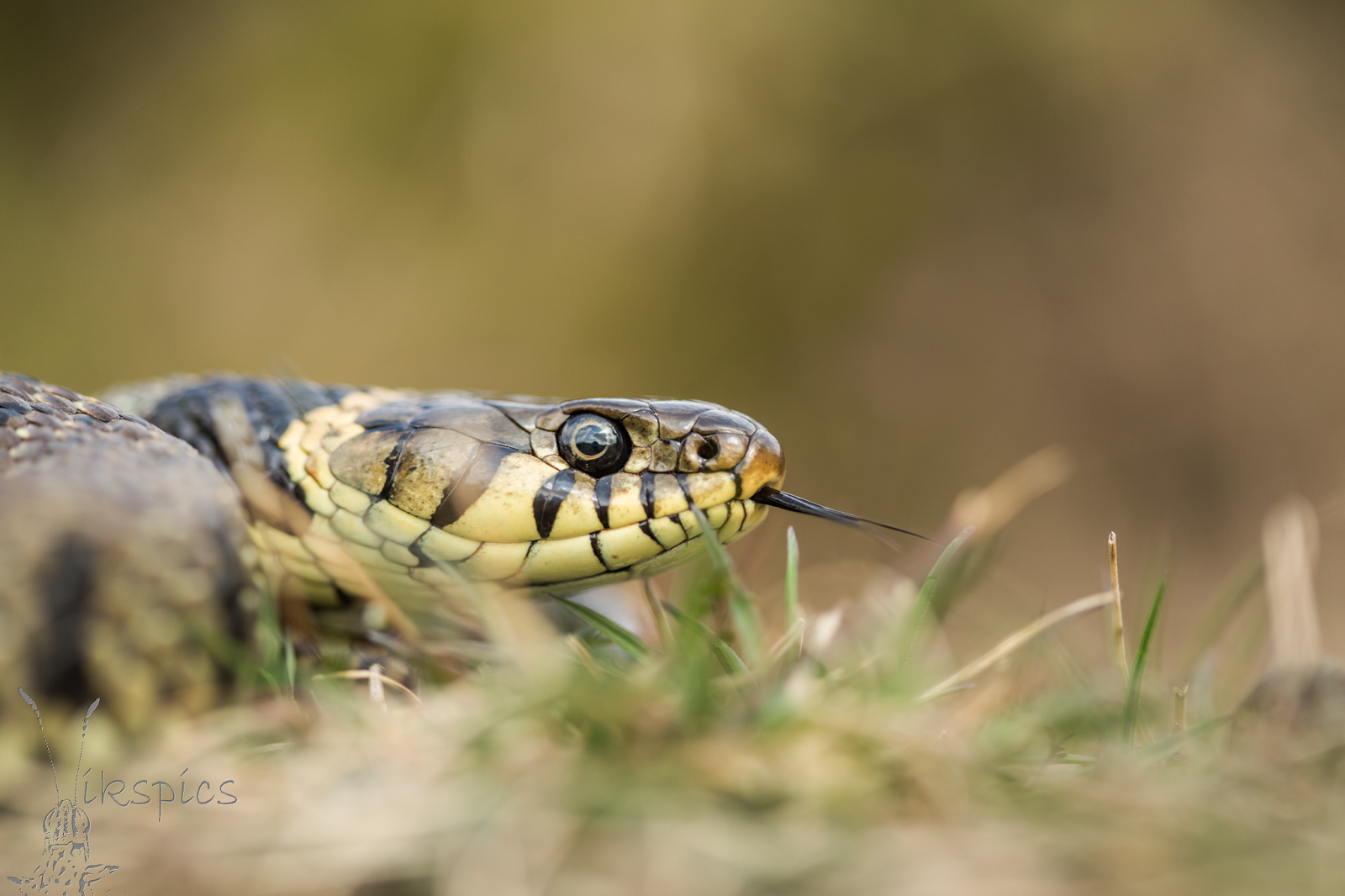
First up are the grass snakes (Natrix natrix), this is a first for me this year and I really enjoyed capturing them on camera and watching their antics.


Next it's the common lizard (Zootoca vivipara), these are the hardest of the four to photograph as they are so quick and don't sit out basking for the same length of time as the snakes. That said I managed to find a couple that were out soaking up the warmth around some rocks so I got myself to eye level and waited.


A quick slow worm intervention (Anguis fragilis)


And finally the adders (Vipera berus), the only venomous snake we have in the UK and arguably the most beautiful due to the markings. Unfortunately it has also become a trophy species for many photographers and as such they are being posed with and in some areas experiencing high levels of disturbance. They are beautiful animals and I can not stress enough how important it is to not disturb them, particularly when they come out of hibernation, it is vital to breeding success that they bask as much as they can. So, please enjoy them responsibly to allow future generations to also be able to enjoy them too, and don't share locations on social media as is some areas they still suffer persecution.


I love spending time with this group and this is my second year with them. I don't spend everyday looking for them but when I do visit the site I always record what I've seen and send these through to ARGUK for their record database, along with any unusual sightings for example this stunning male who seems to have cataracts in his left eye. This image also shows the striking colour of the male, the females tend to be more reddy/brown as in the photo above.


All the photographs I have taken form part of my Forgotten Little Creatures project which is celebrating the smaller species we have around us. Work is in full flow for this project now and I'm very excited about some new accessories and techniques that will help in huge amounts! For now, time for me to say goodbye and wish you a happy weekend as I get back to sorting photos and planning for the rest of the year.

Take care and remember to always enjoy nature responsibly. :)

Saturday, 17 January 2015

Everyone Loves Penguins!

I'm not sure what it is about penguins, but I haven't met a single person that doesn't love them! 

It has been a few years since I visited Cape Town and the penguins at Boulder's Bay so was very excited to be going back there and going with Chris for the very first time. However, we didn't go to Boulder's Bay this time as some very good friends suggested a different location somewhere much less touristy and very much quieter, in fact it is the same place that I photographed the Rock Hyrax.


African penguins (Sphensicus demersusare adorable birds also know as black-footed penguins and jackass penguin due to its call, they are only penguin species that breeds on the African continent with the majority of breeding sites located on offshore islands. There are only a handful of mainland breeding sites two of which are located in the Western Cape. Interestingly there is no fixed breeding season for the penguins with breeding peaking in Namibia between November and December and in South Africa between March and May, they build their nests in sheltered locations in depressions under boulders or vegetation. These wonderful penguins pair for life and return to the same nest site year after year with records showing some penguins being together for ten years! 

We visited in April so there was quite a bit of activity and a few baby penguins around being looked after by one of their parents while the other was out at sea feeding. 


Seeing the chicks was a first for me as all the other times I've been it has been just at the beginning of the breeding season or just at the end so it was a real joy to see these little bundles. 

But I also wanted to captured some different images of their lives on this rocky coastline from getting to the sea and getting in it to dealing with the slippery rocks. 


Unfortunately these beautiful penguins are struggling and are currently listed as endangered on the IUCN Redlist with only 18,000 breeding pairs left in South Africa with the population plummeting by 70% between 2001 and 2013. These penguins face numerous threats including oil spills and increased predation, but by far the biggest threat is over fishing. The parents must travel out to sea to forage but are having to travel further and further to find enough fish to feed their chicks due to depleted fish stocks, but many are not able to travel these distances before their annual moult begins. This means chicks are abandoned and often starve to death, but there are people out there rescuing these chicks and hand raising them ready to be released back into the wide. If you would like to learn more about their plight and what is being done please visit SANCCOB.


They are such wonderfully charismatic birds and I could spends hours, days, months watching them come and go and all their antics but we only had a short time in Cape Town and there was much more we wanted to see, but I will definitely be going back for a much longer period soon!


For now it's bye from me and the penguins. Have a lovely weekend, next up will be a little chameleon we found on a visit to the bush. xx